PodcastsBusinessFounder's Story

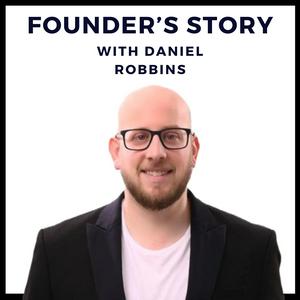
Founder's Story

IBH Media
Founder's Story
Latest episode

319 episodes

  • Founder's Story

    Why Payments Were Broken and How One Founder Fixed It | Ep. 334 with Thomas Aronica Founder and CEO of Biller Genie

    04/01/2026 | 19 mins.
    Daniel Robbins interviews Thomas Aronica, the Founder and CEO of Biller Genie, on what it takes to build a fintech product inside an old industry and survive the cashflow chaos that almost breaks founders. Thomas explains how his early payments career began before smartphones, how he kept seeing the same pain point across industries, and how Biller Genie evolved from “free software to drive payments” into a SaaS platform partners could distribute. They also explore how AI will reshape SaaS, why resilience matters more than vibe coded prototypes, and what keeps entrepreneurs coming back even after the near-collapse moments.

    Key Discussion Points

    Thomas explains he entered payments before iPhones, watching the industry evolve from “knuckle busters” to portals and workflow automation, but noticing core frictions stayed the same.
    He describes the original problem: businesses had to process a payment and then pay someone to manually input it into QuickBooks, because integrations were unreliable or “janky.”
    A turning point came when a small property manager friend said “if I had that in QuickBooks, that would be awesome,” sparking the realization to build a software-agnostic solution.
    Thomas shares the second major pivot: after early traction, PNC Bank told them they loved the product but would not sell it under a tiny brand, which forced Biller Genie to decouple payments and become a true SaaS platform.
    The conversation goes into founder whiplash, including attempting a friends-and-family round in early 2020, then watching it evaporate when portfolios dropped overnight.
    Thomas recounts being hours away from layoffs and unable to pay people on Monday until an investment hit around 3:30, a moment the team never saw.

    Takeaways

    The best fintech products often come from repeated exposure to the same pain across industries, not from a “one day I woke up” idea.
    Giving software away can create fast adoption, but the real leverage is turning the product into a SaaS layer that partners can distribute at scale.
    AI will enable micro tools and fast prototypes, but resilience and real product experience will separate “cool demo” from “business-critical platform.”
    Entrepreneurship is whack-a-mole, and the people who last are wired for constant uncertainty and constant rebuilding, even when they swear “ninety days from now it’ll be better.”

    Closing Thoughts

    This episode is a real founder story in the truest sense: product-market pain, a pivot forced by reality, and the near-miss moments nobody posts about. Thomas Aronica shows that in fintech, the moat is not just features, it is surviving long enough to build something that partners and customers can actually trust.

    Hosted by Simplecast, an AdsWizz company. See pcm.adswizz.com for information about our collection and use of personal data for advertising.
  • Founder's Story

    He Tried Hundreds of Jobs So You Don’t Waste 10 Years in the Wrong One | Ep. 333 with Gabriel DeSanti Content Creator & Founder of Staj

    03/31/2026 | 27 mins.
    Daniel Robbins sits down with Gabriel DeSanti to explore what happens when content creation becomes a real career engine and a real impact engine. Gabriel explains how he finds jobs through simple DMs, why the series highlights unsung workers more than it highlights him, and how international episodes changed his perspective on poverty, environmental damage, and craft. He also shares the business reality of being a creator, where most revenue comes from brand partnerships, and why he’s building Staj as the next chapter: a job shadowing marketplace that helps people try industries in real life, not just read about them online.

    Key Discussion Points

    Gabriel describes his most extreme episode, decluttering a hoarding apartment with millions of roaches, wearing a hazmat suit, goggles, and a respirator while roaches fell on his head.
    He explains the show is narrated through the worker’s story, designed to give pride to people doing difficult jobs every day, not just to entertain.
    Gabriel shares his long runway to “overnight success,” starting with gaming videos at thirteen, then years working for YouTubers across thirty countries, before finding his own voice.
    He breaks down how he lands episodes, usually by searching for workers already comfortable on camera and sending a cold DM to set up a shoot.
    A standout moment comes from the Philippines, where a basket weaver named Jocelyn inspired massive audience support that helped buy out her inventory and materially improve her family’s life.
    Gabriel explains creator income realities, where only a small percentage clear six figures, and short form creators rely heavily on brand deals because platform payouts are small.
    He introduces Staj, a job shadowing marketplace inspired by his trade school rotations, designed to help people test a career path through real experiences.

    Takeaways

    Some of the hardest jobs are invisible, and the quickest way to build empathy is to step into someone else’s work for one day and feel what they feel.
    Finding your creator voice often starts with imitation, but traction comes when the content becomes uniquely you, rooted in your real interests and lived experiences.
    Brand deal income is seasonal, and creators who do not budget for slower months risk panicking and quitting right before the flywheel kicks in.
    The best creator businesses do not chase random products, they solve the exact problem the audience keeps asking about, which is why Staj maps directly to Gabriel’s core content.
    Delusional optimism is an edge, because most people quit during the long stretch when nothing works, but the ones who keep going eventually compound skill, audience, and opportunity.

    Closing Thoughts

    This episode is a reminder that careers are not chosen in one moment, they are tested, iterated, and built through lived experience. Gabriel DeSanti is turning that idea into a movement by making jobs visible, human, and accessible, and by building Staj to give people a shortcut to clarity. If you feel stuck, this conversation might be the push to try something real before you commit another year to the wrong path.

    Hosted by Simplecast, an AdsWizz company. See pcm.adswizz.com for information about our collection and use of personal data for advertising.
  • Founder's Story

    She Built a Luxury Brand With No Money, No Investors, and Instagram | Ep. 332 with Geeorgie Crossley Founder of GeeGee Collection

    03/30/2026 | 22 mins.
    Daniel Robbins sits down with Georgie Crossley to unpack what it really takes to build a fashion brand in an oversaturated world. Georgie shares how GeeGee Collection started in 2020 with zero budget, how Instagram became her storefront, and how her mission evolved from “beautiful fabric” to “confidence and identity.” They also discuss why she prefers in store retail for premium products, how she expanded into the US, and why she believes the future belongs to timeless pieces that feel personal, not disposable trends.

    Key Discussion Points

    Georgie explains that COVID gave her the time to build, using friends as models, posting consistently, and running Instagram promotions that got her noticed by independent department stores.
    She shares her brand’s USP: hand designed or hand woven fabrics that create individuality, moving away from overconsumption and bringing back traditional craftsmanship.
    Georgie says she prefers physical retail because customers can see the quality, feel the product, and experience the story behind the pieces in a more personal way than online.
    She argues that the market is always oversaturated, so the real differentiator is obsession, clarity of mission, and consistency until your people find you.
    On growth, Georgie explains she has taken no outside investment, choosing a slower burn so she can keep control of creative direction and preserve the brand’s standards.

    Takeaways

    If you have no money, you can still start by testing demand with content, friends, and real world proof, because Instagram can be your first storefront.
    Fast fashion creates noise, but it also creates an opening for brands that offer identity, confidence, and craftsmanship that cannot be copied at scale.
    Influencers can increase exposure and credibility, but Georgie found paid ads and behind the scenes “studio life” content drove stronger momentum than influencer posts alone.
    For premium products, in person trunk shows and pop ups can outperform live social selling because customers want trust, fit, and a human experience.
    If you ever raise money, wait until you have proof and systems, because early funding forces you to give away too much control before the value is established.

    Closing Thoughts

    This episode is a blueprint for founders building in crowded markets: mission, craft, and consistency beat hype. Georgie Crossley shows that you can bootstrap a premium brand from a small town background, scale globally through the internet, and still choose slow growth if it protects the quality and joy of what you are building.

    Hosted by Simplecast, an AdsWizz company. See pcm.adswizz.com for information about our collection and use of personal data for advertising.
  • Founder's Story

    The Real Reason You Can’t Focus and What to Do About It | Ep. 331 with Nir Eyal NYT Best Selling Author

    03/27/2026 | 30 mins.
    Daniel Robbins interviews Nir Eyal about how beliefs filter reality and why changing a single limiting belief can be the highest leverage move a founder can make. Nir explains why positive thinking and manifesting can backfire, how mental contrasting prepares you for the pain of the process, and why pain is data while suffering is optional. The episode also explores the dangers of over labeling, the placebo effect as proof that beliefs can influence biology, and a simple relationship tool Nir uses with his wife to avoid conflict and clarify what matters.

    Key Discussion Points

    Nir explains that beliefs are tools, not facts and not faith, and that our attention is a tiny pinhole compared to the flood of information the brain processes, which is why beliefs shape what we call reality.
    He challenges the self help idea of manifesting by citing research that focusing only on end goals can reduce follow through, and introduces mental contrasting as a way to prepare for the discomfort required to achieve outcomes.
    The conversation dives into labels and identity, including ADHD and neurodivergence, and why diagnoses can help as a map but become harmful when they turn into a fixed identity.
    Nir walks Daniel through a real time spiral about a deal falling through, showing how inquiry can expose the limiting belief underneath and replace it with a more useful response before the fear escalates.
    He shares a practical marriage tool, the one to ten importance rating, to reveal hidden priority gaps and prevent fights by letting the person who cares more lead the decision.

    Takeaways

    If you only chase the outcome, you lose momentum, but if you prepare for the discomfort of the journey, you build resilience and execution.
    Pain is unavoidable when you do hard things, but suffering comes from judging reality and demanding it be different, so the lever is changing interpretation not eliminating difficulty.
    Be careful with identity labels, because the brain will defend them and you will start living down to them, so treat labels as temporary maps, not permanent definitions.
    When fear shows up, catch it early with a prepared belief tool, such as “this is happening for me,” so your mind does not default to catastrophe and self limitation.
    A simple way to reduce relationship conflict is to quantify importance, because most disagreements are not equal priority once you ask.

    Closing Thoughts

    This episode is a practical reset for founders who feel trapped in their own thinking patterns. Nir Eyal makes the case that the fastest way to change outcomes is to change the belief tools shaping attention, interpretation, and behavior. If you can spot the limiting belief early, you can stop the spiral and reclaim your agency in a world that feels increasingly uncontrollable.

    Hosted by Simplecast, an AdsWizz company. See pcm.adswizz.com for information about our collection and use of personal data for advertising.
  • Founder's Story

    He Left Goldman. Then He Built a $40 Million Real Estate Platform | Ep. 330 with Alex Blackwood Co-founder of mogul

    03/26/2026 | 27 mins.
    Daniel Robbins interviews Alex Blackwood about the future of real estate investing, why trust and access are the real moats, and how mogul(https://www.mogul.club/) is building a more democratized path to generational wealth. Alex breaks down how mogul sources and underwrites single family rentals, how the platform uses blockchain quietly in the background, and why the biggest opportunity is giving people exposure to housing when buying a full home has become unrealistic for many younger investors.

    Key Discussion Points:
    Alex explains AI’s real impact in real estate is operational, using agentic workflows to streamline the chaotic vendor heavy process between purchase agreement and close.
    He argues real estate “deal finding” with AI is limited today because core listing data sits behind paywalls and MLS gatekeeping, making training and access difficult.
    They discuss why fractional real estate matters as home prices rise, positioning mogul as a way to buy “shares of a home” and earn dividends, appreciation, and tax benefits.
    Alex connects macro trends to micro markets, explaining mogul’s focus on supply demand dynamics, rent to price dislocation, and building a disciplined buy box that matches yield and appreciation targets.
    He shares mogul’s founder journey, from a garden leave thesis and a diner pitch to a rocky fundraising environment, early traction, and compounding growth driven by product performance, retention, and transparency.

    Takeaways:
    Real estate investing is becoming a flight to hard assets in an AI driven volatility cycle, because housing remains a core necessity with durable demand.
    Fractional investing can give younger investors access to real estate returns even when buying a one to two million dollar home is out of reach, especially in markets like California.
    Mogul’s growth inflection came from three levers: high performing assets, strong customer retention where repeat investors increase allocation, and radical transparency through memos, underwriting, and onboarding.
    The operational edge is systems, partnerships, and negotiated scale, including discounted property management and favorable lending terms that improve risk adjusted outcomes.

    Closing Thoughts:
    This Founder’s Story episode makes the case that the next era of wealth building may not come from picking the next hot stock, but from getting aligned with the assets people cannot live without. Alex Blackwood shows how mogul is turning institutional real estate access into a consumer experience, pairing disciplined underwriting with transparency so everyday investors can participate in the upside.

    Hosted by Simplecast, an AdsWizz company. See pcm.adswizz.com for information about our collection and use of personal data for advertising.


More Business podcasts

About Founder's Story

Founder’s Story” by IBH Media isn’t just a show—it’s a mission. We spotlight extraordinary, iconic, and undiscovered entrepreneurs who’ve built, scaled, and led with purpose. From tech titans to tenacious underdogs, every episode dives deep into the resilience, creativity, and grit that define true leadership.You’ll hear from household names like Gary V, Codie Sanchez, Rob Dyrdek, and Tom Bilyeu—but just as often, you’ll meet the unheard founders doing remarkable things the world needs to know.This is where raw conversations meet real impact. This is Founder’s Story—where the heart of entrepreneurship beats. Get more leads and grow your business. Go to https://www.pipedrive.com/founders and get started with a 30 day free trial.
Podcast website

Listen to Founder's Story, REAL AF with Andy Frisella and many other podcasts from around the world with the radio.net app

Get the free radio.net app

  • Stations and podcasts to bookmark
  • Stream via Wi-Fi or Bluetooth
  • Supports Carplay & Android Auto
  • Many other app features

Founder's Story: Podcasts in Family

Social
v8.8.6| © 2007-2026 radio.de GmbH
Generated: 4/2/2026 - 11:30:48 AM