
Listen to this podcast in the app for free: Download for free in the App Store
radio.net
Sleep timer
Save favorites
122 episodes
Ep. 121 - The “Pristine Myth” Is Changing How We See Wildlife | Trinity Vandenacre
10/20/2026 | 2h 21 mins.What happens when our idea of perfect, untouched nature conflicts with the realities of wildlife conservation?
On this episode of Through the Gates, Dan Gates sits down with Trinity Vandenacre of Life in the West for an in-depth conversation about hunting, wildlife management, predators, ranching, conservation, and the misconceptions shaping public opinion across the American West.
Trinity challenges what he calls the “pristine myth”—the belief that nature was once perfectly balanced and would return to that ideal if humans simply stepped away. Drawing on his experience in the Western way of life, he discusses why wildlife management is more complicated than many people realize, why historical comparisons can be misleading, and why responsible human involvement matters to the future of wildlife.
The conversation explores the role of regulated hunting in maintaining wildlife populations, the debate over wolves and other apex predators, Colorado’s growing human population, forest management, wildfire, habitat, and the challenges of communicating conservation to people outside the hunting and ranching communities.
Dan also opens the episode with an update on Colorado Amendment 83 and the constitutional right to hunt and fish, discussing traditional methods, existing hunting restrictions, the role of Colorado Parks and Wildlife (CPW), and the importance of science-based wildlife management.
Whether you're a hunter, angler, rancher, wildlife enthusiast, or someone who simply wants to understand how conservation works, this conversation examines the difficult questions facing wildlife and the future of the American West.
IN THIS EPISODE
Colorado Amendment 83 and the constitutional right to hunt and fish
What “traditional methods” means in the debate over hunting and fishing rights
Trinity Vandenacre’s journey into Western lifestyle and conservation content
The “pristine myth” and the idea of untouched, perfectly balanced nature
Why regulated hunting is a wildlife management tool
Wolves, elk, moose, beavers, and the complexities of predator-prey relationships
Yellowstone and why its wildlife management experience may not translate directly to Colorado
Hunting, wildlife abundance, and the funding of conservation
Ranching, public lands, forest management, and wildfire
How social media shapes public perceptions of hunting and conservation
Why conservation requires looking forward instead of trying to recreate an idealized past
FOLLOW TRINITY VANENACRE
Find Life in the West and Trinity Vanenacre on YouTube, Instagram, and Facebook.
SUPPORT CONSERVATION AND THE FUTURE OF HUNTING
Learn more about the effort to protect hunting and fishing in Colorado:
SaveTheHuntColorado.com
Learn more about wildlife conservation advocacy:
WildlifeDeserveBetter.com
If you care about wildlife, conservation, hunting, fishing, and the future of the American West, help us spread the conversation.
👍 Like the video
💬 Share your perspective in the comments
🔔 Subscribe to Through the Gates
📲 Share this episode with someone who wants to understand wildlife management and conservation.
#ThroughTheGates #WildlifeConservation #Hunting #WildlifeManagement #ColoradoWildlifeEp. 120 - Colorado’s Fight Over Hunting, Conservation & Politics | Chris Tymeson & Kevin Grantham
10/13/2026 | 2h 35 mins.Colorado is at the center of some of the biggest battles over hunting, wildlife conservation, government policy and the future of the West.
In this extended episode of Through the Gates, Dan Gates sits down with two guests who approach those issues from very different positions — but ultimately arrive at many of the same questions about leadership, government, conservation and the future of Colorado.
First, Chris Tymeson, Vice President of Government Affairs for Safari Club International (SCI), joins Dan to discuss the growing national and international fight over hunting and wildlife management.
Tymeson spent 22 years as the chief attorney for the Kansas Department of Wildlife and Parks before moving to SCI, giving him a unique perspective on wildlife management from both the government and advocacy sides.
The conversation covers why Chris believes Colorado has become “ground zero” for the anti-hunting movement, the growing threat of ballot-box biology, wildlife commission appointments, predator management, firearms legislation, ammunition restrictions, trophy-import bans and the importance of sportsmen's coalitions.
Chris and Dan also discuss Colorado’s proposed constitutional right to hunt and fish, Kansas' experience establishing a constitutional right to hunt, fish and trap, and why protecting hunting and fishing at the constitutional level could become increasingly important as political pressure on wildlife management grows.
The conversation also goes far beyond Colorado. Chris explains SCI's work around the world, including international hunting, African wildlife conservation, trophy-import restrictions and the consequences that can occur when outside political interests attempt to dictate how other countries manage their own wildlife.
Then, after the sponsor break, Dan sits down with Kevin Grantham, former Colorado Senate President, former member of the Joint Budget Committee and current Fremont County Commissioner, who is running for Colorado State Treasurer.
Grantham discusses the Colorado state budget, government spending, TABOR, the role of the State Treasurer, the state's investment portfolio, PERA, unclaimed property and what he sees as the biggest problems facing Colorado's fiscal future.
The conversation also explores the changing political landscape of Colorado, the urban-rural divide, population growth, changing demographics, the relationship between state government and rural Colorado, and whether Colorado needs greater political balance.
For hunters, anglers and conservationists, this episode also offers an important reminder: wildlife conservation doesn't happen in a vacuum. Wildlife management, public lands, natural resources, hunting and fishing are all influenced by politics, elections, legislation, commissions and the people who occupy positions of authority.
From the national fight to protect hunting to the political and financial decisions shaping Colorado, this is a wide-ranging conversation about who controls the future of Colorado — and what happens when politics collides with conservation.
ABOUT THROUGH THE GATES
Through the Gates brings together wildlife professionals, hunters, anglers, conservationists, politicians, biologists, attorneys and policymakers to examine the issues affecting the future of wildlife and the outdoor heritage of the West.
#ThroughTheGates #ChrisTymeson #KevinGrantham #SafariClubInternational #Colorado #ColoradoHunting #WildlifeConservation #Hunting #Fishing #WildlifeManagement #RightToHunt #Conservation #ColoradoPolitics #TABOR #SaveTheHuntEp. 119 - Jordan Budd: Why Hunting Is About More Than the Harvest
10/06/2026 | 1h 46 mins.What does it really mean to be a hunter? Is it about filling a tag, harvesting a trophy, or everything that happens along the way?
On this episode of Through the Gates, Dan Gates sits down with Jordan Budd, a Nebraska-based hunter, guide, filmmaker, and outdoor storyteller known for her work with MeatEater and Rockslide. Raised on her family's third-generation cattle ranch in northwest Nebraska, Jordan developed a passion for hunting, archery, and filming at an early age. Today, she has built a career around guiding hunters, pursuing big game across the West, producing outdoor films, and helping tell the story of hunting and conservation. Dan and Jordan explore the changing culture of hunting, the pressure to harvest, and the influence of social media and outdoor television on hunters' expectations. Jordan shares why some of her most meaningful hunting experiences have had nothing to do with whether she filled a tag, and why showing the realities of an unsuccessful hunt can be just as important as documenting a successful one. The conversation also takes a deeper look at the challenges facing today's hunters, including declining hunting opportunities, increasing difficulty drawing tags, wildlife habitat conservation, and the role of science-based wildlife management. Jordan discusses her family's ranching legacy, changes in Nebraska's mule deer and whitetail populations, the impacts of Epizootic Hemorrhagic Disease (EHD), and the growing presence of elk. Dan and Jordan also discuss the importance of hunting ambassadors, women's growing influence in the outdoor industry, predator management, grizzly bears, wolves, and the need for hunters to stay engaged in wildlife policy and conservation issues. From high-country archery mule deer to the realities of guiding, filmmaking, motherhood, and maintaining a family ranch, Jordan offers a candid perspective on what it takes to build a life in the outdoors—and why protecting hunting opportunities matters for future generations.
In this episode:
Jordan's journey from a Nebraska ranch to the outdoor industry
Why hunting is about the experience, not harvest
Social media, hunting television, and unrealistic expectations
The challenges of guiding hunters and managing expectations
Archery hunting, mule deer, elk, and Western hunting opportunities
Women's influence and representation in hunting and conservation
Ranching, wildlife habitat, and the importance of private land conservation
Nebraska's changing deer populations, EHD, and elk expansion
Predator management, wolves, grizzly bears, and wildlife policy
Outdoor storytelling and the future of hunting films
Why hunters need to be engaged in conservation and wildlife decisions
STREAM TO SHOW -
https://www.youtube.com/playlist?list=PLVjalEoOauqM3xLSHrq3FO680x-XriQcD
SUPPORT THE RIGHT TO HUNT AND FISH IN COLORADO
Sign the Initiative 302 petition: savecoheritage.org
Donate to CRWM: savethehuntcolorado.com/support-us
Learn more: savethehuntcolorado.com
Follow CRWM on Facebook: facebook.com/savethehuntcolorado
Follow CRWM on Instagram: instagram.com/c.r.w.mEp. 118 - COLORADO’S WILDLIFE WAR: The Right to Hunt, Fish & Who Should Manage Wildlife
09/29/2026 | 1h 53 mins.What happens when wildlife management becomes a political fight?
In this special Through the Gates x The Mountainside Podcast collaboration, Dan Gates and Bobby Marshall sit down for a wide-ranging conversation about Colorado wildlife, hunting, fishing, conservation, CPW, ballot-box biology, and the emerging fight over Colorado’s constitutional right to hunt and fish.
This conversation goes far beyond hunting.
Dan and Bobby break down why wildlife management affects hunters, anglers, hikers, mountain bikers, photographers, ranchers, outdoor businesses, and anyone who enjoys Colorado’s public lands and wildlife.
A major focus of the conversation is the proposed constitutional right to hunt and fish in Colorado and the argument that complex wildlife-management decisions should remain grounded in science, data, professional wildlife management, and adaptive management.
They discuss:
• What Colorado’s constitutional right to hunt and fish actually says
• What the proposed amendment does — and does not — do
• The concept of “ballot box biology”
• Why CPW and professional wildlife managers play such an important role
• Colorado’s experience with Proposition 127 and wolf reintroduction
• Mountain lions, bobcats, lynx, bears, wolves and beavers
• The debate over trapping and wildlife-management tools
• How hunting and fishing contribute to conservation funding
• Pittman-Robertson and Dingell-Johnson funding
• Why wildlife doesn’t recognize state boundaries
• Colorado’s rapidly growing human population and increasing recreation pressure
• The changing relationship between wildlife and outdoor recreation
• Why non-hunters have a stake in wildlife management
• How people outside Colorado can support Colorado’s wildlife-conservation efforts
• How to talk to someone who doesn't hunt or fish about wildlife conservation
• And why Dan believes wildlife management should remain adaptable as conditions change
The conversation also gets into something that often gets overlooked: Colorado’s wildlife belongs to everyone.
Whether you hunt, fish, hike, camp, photograph wildlife, ride a mountain bike, own a ranch, or simply enjoy seeing elk, deer, bears, mountain lions and other wildlife in Colorado, the decisions being made today can affect how those resources are managed for generations.
This is a conversation about wildlife first — and the people, policies, science and funding mechanisms that determine how Colorado manages it.
SUPPORT THE RIGHT TO HUNT AND FISH IN COLORADO
Fund the Campaign: WildlifeDeserveBetter.com
Donate to CRWM: savethehuntcolorado.com/support-us
Learn more: savethehuntcolorado.com
Follow CRWM on Facebook: facebook.com/savethehuntcolorado
Follow CRWM on Instagram: instagram.com/c.r.w.mEp. 117 - Why Colorado’s Wildlife Depends on Hunting & Fishing | Shane Mahoney
09/22/2026 | 2h 59 mins.What does Colorado’s Constitutional Right to Hunt and Fish actually mean—and why should it matter to people who don’t hunt or fish?
That is one of the central questions explored in this special episode of Through the Gates, featuring internationally recognized conservationist Shane Mahoney, President and CEO of Conservation Visions and founder of the Wild Harvest Initiative.
This conversation is especially relevant for Coloradans who love the outdoors but may never have hunted or fished. If you hike, camp, mountain bike, kayak, photograph wildlife, watch elk and moose, enjoy Colorado’s public lands, or simply care about healthy wildlife populations, this episode explores the connection between those experiences and the system of wildlife conservation that exists today.
Mahoney and Dan Gates take a deep look at the North American Model of Wildlife Conservation and how regulated hunting and fishing fit into a larger system designed to maintain abundant wildlife populations and provide public benefits.
The discussion covers:
• Why wildlife is considered a public-trust resource
• How North American wildlife populations recovered from historic declines
• Why wildlife abundance benefits hunters AND non-hunters
• The connection between hunting, fishing and sustainable sources of food
• How hunting and fishing contribute to wildlife management and conservation funding
• Why science-based wildlife management matters
• What “sustainable use” actually means
• The history behind the North American Model of Wildlife Conservation
• The role of regulation in preventing overharvest
• The importance of wild foods and the Wild Harvest Initiative
• How conservation can serve people who never hunt or fish
• The debate surrounding fur-bearing wildlife and commercial use
• Why wildlife management has to account for changing populations, habitat and human communities
• What the proposed constitutional protection does—and does not—say about wildlife management
• Why understanding the issue matters before Colorado voters make their decision
One of the most important themes of the conversation is that wildlife conservation is not exclusively about hunting.
Mahoney argues that the recovery of elk, deer, pronghorn, waterfowl, bears and other wildlife has created opportunities for everyone—from hunters and anglers to hikers, photographers, birders, climbers, campers and other outdoor enthusiasts. As he explains, abundant wildlife adds another dimension to the Colorado outdoor experience regardless of whether someone ever harvests an animal.
The episode also examines an important question for anyone thinking about food and sustainability: How does harvesting from the wild fit into the modern food system?
Mahoney discusses the millions of people around the world who continue to rely directly on wild resources for food and livelihoods, and why he believes sustainable, regulated harvest should be considered alongside other approaches to food production and conservation.
And ultimately, the conversation returns to Colorado.
The Constitutional Right to Hunt and Fish is discussed not simply as a question for hunters and anglers, but as a question about wildlife management, science, public trust, outdoor recreation, food, conservation funding and how Colorado manages its wildlife for future generations.
If you're a Colorado voter who doesn't hunt or fish, this episode is an opportunity to hear the history, philosophy and arguments surrounding Amendment 83 directly and consider how those ideas relate to the wildlife and outdoor experiences you value.
Listen before you vote. Learn what the issue actually says. Consider the different perspectives. Then make your own informed decision.
More Nature podcasts



Trending Nature podcasts

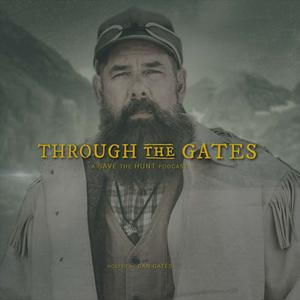
About Through the Gates
Informing the Public on the Benefits of Hunting and Fishing along with the importance of the North American Model of Wildlife Conservation and Responsible Science Based Wildlife Management
Podcast websiteListen to Through the Gates, Constant Wonder and many other podcasts from around the world with the radio.net app
Get the free radio.net app
- Stations and podcasts to bookmark
- Stream via Wi-Fi or Bluetooth
- Supports Carplay & Android Auto
- Many other app features
Get the free radio.net app
- Stations and podcasts to bookmark
- Stream via Wi-Fi or Bluetooth
- Supports Carplay & Android Auto
- Many other app features

Through the Gates
Scan code,
download the app,
start listening.
download the app,
start listening.
 USA

